Back to School Google Slides Template: A Versatile Solution for Education and Business Presentations
In the digital age, presentations have become a cornerstone of communication across nearly every field. Whether you are a teacher preparing the first lesson of the semester, a student organizing a research project, or a business professional pitching a new idea to clients, the tools you use to convey your message matter immensely. Among the most popular and accessible platforms for creating presentations is Google Slides, and within its ecosystem, templates have emerged as a powerful shortcut to professionalism and clarity. One particular category of templates that has gained significant traction is the Back to School Google Slides Template. At first glance, the name might suggest a tool exclusively for educators and students, but as we will explore, these templates are far more versatile than their label implies. In fact, with the right design and features, a Back to School Google Slides Template can serve as an excellent multipurpose business resource.
This article will walk you through everything you need to know about these templates: what they are, why they matter, how they work, and how you can use them effectively in both educational and professional settings. Whether you are a beginner looking to create your first polished presentation or an experienced user seeking fresh design inspiration, this guide will help you understand the full potential of Back to School Google Slides Templates—and how they can elevate your work.
What Is a Back to School Google Slides Template?
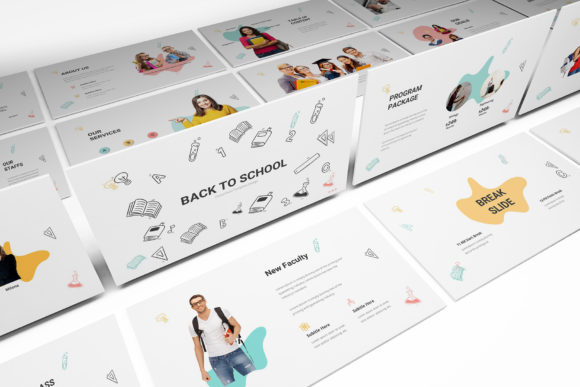
A Back to School Google Slides Template is a pre-designed presentation file created specifically for use in Google Slides, the web-based presentation software that is part of Google Workspace. These templates typically include a set of slides with coordinated layouts, color schemes, typography, and placeholder content designed around a back-to-school theme. Common visual elements include school supplies like pencils, notebooks, chalkboards, books, apples, and other academic imagery. The template is meant to save you time by providing a ready-made structure; instead of starting from a blank canvas, you simply insert your own text, images, and data into the pre-arranged slides.
However, the term "Back to School" is broader than it first appears. While these templates are indeed ideal for classroom orientations, lesson plans, student presentations, and educational events, their clean layouts, professional fonts, and modular slide designs make them equally suited for multipurpose business use. In fact, many modern Back to School templates are designed with a level of sophistication that transcends the classroom, offering features that appeal to corporate trainers, startup founders, marketing teams, and freelancers.
Consider a typical Back to School Google Slides Template that boasts 30 unique slides, a 1920x1080 Full HD format, and compatibility with both PPTX and Google Slides files. Such a template may include slide types like title slides, agenda slides, section dividers, quote slides, chart infographics, timeline layouts, team introduction pages, and more. These are precisely the slide types you need for a business pitch, a quarterly review, or a client presentation. The back-to-school theme, when applied with subtlety, can convey warmth, approachability, and a focus on learning and growth—values that resonate strongly in business contexts.
Key Features of a Quality Back to School Google Slides Template
To help you choose or create the best possible presentation, it is useful to understand the features that define a high-quality template. Here are the most important elements to look for:
Unique 30 Slides
Variety is essential when building a cohesive presentation. A template with 30 unique slides gives you the flexibility to cover different topics without repeating the same layout. You get multiple options for title slides, content slides, infographics, comparison charts, and closing slides. This variety keeps your audience engaged and helps you present information in the most fitting format for each point.
1920x1080 Full HD Format
The resolution of your slides matters more than most people realize. A 1920x1080 Full HD format ensures that your presentation looks crisp and professional on any modern screen, whether it is a laptop, a projector, or a large display monitor. This aspect ratio (16:9) is the standard for most presentations today, so using a template that matches it guarantees compatibility and a polished viewing experience.
PPTX and Google Slides File Compatibility
The best templates are those that work across platforms. A Back to School Google Slides Template that comes in both PPTX (PowerPoint) and Google Slides formats gives you the freedom to work in whichever environment you prefer. You can start editing in Google Slides for online collaboration, or you can download the PPTX file to work offline in Microsoft PowerPoint. This flexibility is especially valuable for teams that use mixed software environments.
Free Fonts and Easily Customizable Typography
Typography plays a huge role in the readability and tone of your presentation. Quality templates use free fonts that are widely available, so you do not need to purchase or install expensive typefaces. Common choices include Google Fonts like Roboto, Lato, Open Sans, and Montserrat. These fonts are clean, modern, and legible at any size. Additionally, a well-designed template will include a help guide file that explains how to change fonts, colors, and other elements, making customization straightforward even for beginners.
Animation and Transition Effects
Animations and slide transitions, when used tastefully, can add a layer of professionalism and dynamism to your presentation. A good template includes built-in animations for elements like text, images, and charts, as well as smooth transitions between slides. These effects help guide your audience's attention and make the flow of information more natural. However, it is important that the animations are not overly flashy or distracting—professionalism should always come first.
Help Guide File
For many users, especially those who are not experienced designers, a help guide is a lifesaver. A well-written guide explains how to edit the template, change colors, replace images, adjust animations, and export the final file. It may also include tips on presentation best practices. This resource turns a good template into a great learning tool, empowering you to create better presentations in the long run.
Images Used Are Not Included
It is important to note that while the template includes layout placeholders, the actual images shown in the demo are typically not included. This is standard practice for professional templates. Users are expected to insert their own images, which is actually a benefit: you can use photos that are relevant to your specific content. For educational presentations, you might include school-related images; for business use, you can replace them with corporate photos, product shots, or branded graphics. Always ensure you have the rights to any images you use, whether they are from stock photo sites, your own library, or creative commons sources.
Why Use a Back to School Template for Business?
You might be wondering: why would a business professional choose a "Back to School" template over a more generic corporate design? The answer lies in the psychology of the theme. The concept of going back to school is associated with fresh starts, learning, growth, curiosity, and structured progress—all qualities that businesses want to project. A presentation that uses school-themed elements in a tasteful way can signal that your company values education, innovation, and continuous improvement.
For example, if you are giving a training session to new employees, a Back to School template naturally sets the tone for learning. If you are presenting a new product or service to clients, the theme of "lessons learned" or "starting a new chapter" can be a clever and relatable narrative device. Moreover, the clean, structured layouts that are typical of these templates make complex information easier to digest—a benefit that is universal across industries.
In practice, many startups and small businesses use school-themed templates for onboarding materials, workshop presentations, and even investor pitches. The key is to choose a template that is professional rather than childish. Look for designs that use subtle school motifs—like a chalkboard background texture or simple icons of books and pencils—rather than cartoonish graphics. A well-designed Back to School template can strike the perfect balance between warmth and professionalism.
Practical Use Cases for a Multipurpose Back to School Template
To help you see the full range of possibilities, here are several concrete scenarios where a Back to School Google Slides Template can shine—whether in education or business:
- Classroom Orientation: Teachers can introduce the syllabus, classroom rules, and semester schedule in a visually organized way. The template's agenda and list slides make this easy.
- Online Courses and Webinars: Instructors and course creators can use the template to structure lesson modules, include visual aids, and create professional-looking slide decks for virtual learning.
- Employee Onboarding: HR departments can present company policies, team introductions, and training schedules using the template's clean, readable layouts.
- Client Pitches: Consultants and sales professionals can use the template to present case studies, market research, and strategic recommendations. The infographic slides are especially useful for data visualization.
- Team Meetings: Internal updates, project timelines, and quarterly reviews become more engaging with a consistent, well-designed slide deck.
- Workshops and Seminars: Whether you are leading a professional development session or a community workshop, the template provides a ready-made structure for your content.
- Portfolio Presentations: Freelancers and creatives can showcase their work using the template's image-centric slides, providing a professional backdrop for their projects.
In each of these scenarios, the Back to School theme can be played up or down depending on your audience. For a corporate client, you might use a more subdued color palette and remove overt school symbols; for an educational audience, you can embrace the theme fully. The flexibility is one of the template's greatest strengths.
How to Choose the Right Back to School Google Slides Template
With so many templates available online, selecting the right one can feel overwhelming. Here are some criteria to guide your decision:
- Assess Your Audience: Who will be viewing your presentation? For a classroom of students, a playful design with bright colors and fun icons may be appropriate. For a boardroom of executives, opt for a more minimalist and refined version of the theme.
- Check Slide Variety: Look for a template with at least 25–30 unique slides. This ensures you have enough layouts to cover different types of content without repetition.
- Evaluate Customization Ease: Open the template in Google Slides and try changing a few elements. Is it intuitive? Are the fonts, colors, and images easy to edit? Does the template include a help guide? These factors matter, especially if you are not a design expert.
- Look for Responsive Design: The template should look good on both desktop and mobile screens. Since Google Slides is web-based, many viewers may access your presentation from different devices. Full HD resolution (1920x1080) ensures clarity on large screens as well.
- Consider File Compatibility: If you or your team uses both Google Slides and PowerPoint, choose a template that comes in both PPTX and Google Slides formats. This saves you the hassle of converting files and losing formatting.
- Review the Help Guide: A good template provider includes a detailed help guide file. This is a sign of quality and shows that the creator cares about the user experience.
- Plan for Images: Since demo images are not included, you will need to source your own. Make sure you have access to relevant photos or graphics that align with your message.
Common Misunderstandings About Using Templates
Despite their many benefits, templates are sometimes misunderstood. Let us clarify a few common misconceptions:
- "Templates are only for beginners." This is not true. Even experienced presenters and designers use templates to save time and maintain consistency. A template is a tool, not a crutch. Professionals use them to streamline their workflow and focus on content rather than layout.
- "Using a template means your presentation will look like everyone else's." A quality template is a starting point, not a finished product. By customizing colors, fonts, images, and content, you can make a template uniquely yours. No two presentations need to look the same, even if they start from the same base design.
- "School-themed templates are not suitable for business." As we have discussed, the best Back to School templates are designed with versatility in mind. With simple adjustments to color and imagery, they can easily adapt to corporate and professional contexts. The underlying structure—clean layouts, readable fonts, organized slide types—is universally useful.
- "You need design skills to edit a template." Most modern templates are designed for ease of use. With drag-and-drop functionality in Google Slides, plus a help guide to walk you through the process, anyone can create a professional-looking presentation. No graphic design degree required.
Tips for Getting the Most Out of Your Template
Once you have chosen your Back to School Google Slides Template, here are some practical tips to maximize its impact:
- Start with a story. Before you add content to your slides, think about the narrative arc of your presentation. What is the key message? How will you introduce it, build it, and conclude it? Let the template support your story, not the other way around.
- Use consistent branding. If you are using the template for business, replace the default colors and fonts with your company's brand guidelines. Add your logo to the title slide and footer. This small step transforms a generic template into a branded asset.
- Keep text concise. Slides are visual aids, not documents. Use bullet points, short phrases, and keywords rather than paragraphs. The template's layouts are designed to work best with concise content.
- Incorporate visuals. Replace placeholder images with high-quality photos, charts, or diagrams that reinforce your points. Visuals increase engagement and help retention.
- Practice with animations. Use the built-in animations to reveal content step by step. This keeps your audience focused and prevents them from reading ahead. But use animations sparingly—too many can be distracting.
- Rehearse with the slides. A great template cannot save a poorly rehearsed presentation. Practice your delivery, timing, and transitions. The template should feel like a natural extension of your message.
Conclusion
The Back to School Google Slides Template is far more than a niche tool for educators. Its combination of clean design, structured layouts, and thematic flexibility makes it a powerful resource for anyone who needs to communicate ideas clearly and persuasively—whether in the classroom, the boardroom, or anywhere in between. With features like 30 unique slides, Full HD resolution, PPTX and Google Slides compatibility, free fonts, and helpful guides, these templates offer a professional foundation that can be adapted to a wide range of purposes.
By understanding what makes a quality template, choosing one that fits your audience, and customizing it thoughtfully, you can create presentations that are both engaging and effective. The next time you are preparing a slide deck, consider the Back to School Google Slides Template not as a limitation, but as a versatile starting point. Whether you are teaching a lesson, training a team, or pitching a product, the right template can help you tell your story with clarity, warmth, and impact.