The Enduring Craft of Detail Hand-Drawn Books: Where Cat, Scroll, and Back to School Art Converge
Rediscovering the Intimacy of Detail Hand-Drawn Books
In an age dominated by digital typography and pixel-perfect layouts, the resurgence of Detail Hand-drawn Books marks a profound return to intimacy in visual storytelling. These are not merely books illustrated by hand; they are artifacts where every line, cross-hatch, and wash of ink carries the weight of human attention. Unlike mechanically reproduced images, hand-drawn illustrations in books offer a textured authenticity that invites the reader to pause, observe, and connect. The practice spans from medieval illuminated manuscripts to contemporary zines, yet the unifying thread remains a devotion to detail that machine production cannot replicate. For artists, educators, and collectors alike, the allure lies in the imperfections—the slight tremble of a pen stroke, the subtle variation in line weight—that transform reading into a tactile encounter with creativity.
The Cat and Scroll Motif: A Recurring Narrative in Hand-Drawn Art
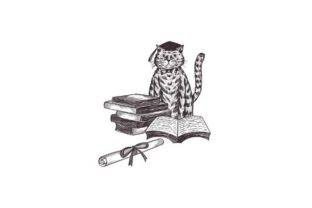
One of the most evocative themes found within Detail Hand-drawn Books is the pairing of a cat with an unfurling scroll. This motif appears across cultures and centuries, from Japanese emakimono scrolls depicting feline antics to contemporary artists who sketch curious cats pawing at parchment. The cat represents both domestic comfort and wild independence, while the scroll symbolizes knowledge, storytelling, and the passage of time. When rendered in meticulous hand-drawn detail, the interaction between cat and scroll becomes a microcosm of the creative process itself: playful curiosity meeting deliberate craft. Artists often use fine liner pens, India ink, or graphite to capture the texture of fur alongside the fragile edges of aged paper, creating a visual dialogue between living energy and preserved history. For hobbyists and professionals, studying these illustrations reveals how negative space, directional strokes, and careful observation turn a simple scene into a narrative rich with meaning.
Why the Cat and Scroll Resonates Across Audiences
- Symbolic depth: The cat embodies curiosity, mystery, and independence—qualities every creator recognizes. The scroll suggests ancient wisdom, hidden stories, or a blank canvas waiting to be filled.
- Visual contrast: Soft fur versus crisp parchment, organic curves versus rigid rolled edges—these oppositions challenge artists to master diverse rendering techniques within a single composition.
- Cross-cultural appeal: From Egyptian papyrus cats to Chinese zodiac lore, the motif bridges traditions, making it a versatile subject for back to school art projects that explore heritage and imagination.
- Narrative possibility: A cat batting at a scroll can imply discovery, mischief, or reverence. Each emotional tone demands different detail priorities—expressive eyes, dynamic paws, or crumbling paper fibers.
Back to School Art: Reviving Hand-Drawn Techniques in Education
The concept of back to school art has evolved far beyond simple coloring sheets. Educators are rediscovering the cognitive and emotional benefits of teaching hand-drawn illustration, particularly through projects that mirror the complexity of Detail Hand-drawn Books. When students attempt to render a cat with a scroll, they engage in sustained observation, fine motor control, and compositional planning. This process develops patience and analytical thinking—skills that digital shortcuts often bypass. A typical classroom exercise might begin with pencil sketches of a cat in various poses, then progress to adding a scroll element, and finally integrate both into a mini book spread with hand-lettered captions. The result is not just an artwork but a personal artifact that teaches iteration, revision, and pride in manual labor.
Practical Applications of Hand-Drawn Techniques in the Classroom
- Sketchbook journals: Students maintain daily sketch diaries where they practice rendering subjects like a cat with a scroll, focusing on line quality, shading, and proportion over multiple sessions.
- Illustrated storytelling: Assignments that ask students to create a short hand-drawn book featuring a cat and a scroll as central plot devices, encouraging narrative thinking paired with visual detail.
- Material exploration: Experiments with different papers, inks, and pens to understand how texture affects detail. Students compare smooth Bristol board against rough watercolor paper, observing how each surface responds to fine lines.
- Cross-disciplinary integration: History classes study medieval scrolls and bestiaries, while art classes replicate their intricate detail using modern tools. This brings the cat and scroll motif into a context of cultural heritage.
- Portfolio development: Aspiring artists compile their best hand-drawn pages into a portfolio book, demonstrating growth in detail work over a semester or academic year.
Tools and Materials for Creating Detail Hand-Drawn Books
Producing a Detail Hand-drawn Book demands more than talent—it requires deliberate choices in tools that influence the final aesthetic. For the cat and scroll subject, artists typically select fine-tipped technical pens (0.1mm to 0.5mm) for precise fur strands and scroll edges, paired with softer graphite pencils (2B to 6B) for shading and depth. India ink applied with a nib pen allows for expressive line variation, from hair-thin whiskers to bold outline strokes. Paper weight matters significantly: 100lb or higher hot-press watercolor paper resists buckling under heavy ink washes, while smooth bristol board permits crisp, uninterrupted lines ideal for scroll calligraphy. Artists creating entire books often bind their own signatures using saddle stitch or Japanese stab binding, ensuring every physical component—from endpapers to cover art—reflects the same hand-drawn commitment. Back to school art programs increasingly include these materials in supply lists, recognizing that tactile engagement with quality tools fosters respect for craft.
Collecting and Preserving Detail Hand-Drawn Books
For collectors and researchers, Detail Hand-drawn Books represent a vulnerable yet invaluable heritage. Unlike printed books, each hand-drawn copy exists as a unique object vulnerable to light, humidity, and handling. A collector focusing on the cat and scroll theme might seek out contemporary artists who produce limited edition zines, or historical manuscripts where cats appear in margins of religious or scientific scrolls. Preservation requires acid-free storage, controlled lighting, and careful digitization to share the work without damaging the original. Some collectors commission facsimile reproductions that capture minute details—such as ink bleeding into paper fibers—allowing broader access while protecting the primary artifact. This ecosystem of creation, collection, and conservation mirrors the scroll itself: a continuous unfolding of value across time, where each hand-drawn line carries forward a tradition of deliberate, human-made beauty.
Characteristics That Define Exceptional Detail Hand-Drawn Books
- Line economy: The best illustrators know when to add detail and when to leave space. A cat’s fur might be rendered with hundreds of individual strokes, but the scroll’s emptiness can suggest untold stories.
- Material harmony: The choice of ink, paper, and binding should feel intentional. A hand-drawn book about cats and scrolls might use parchment-toned paper and sepia ink to evoke antiquity, while a contemporary version could use crisp white stock and black technical pen for modern contrast.
- Narrative pacing: In multi-page books, detail density varies across spreads. A highly detailed cat illustration might face a simpler scroll page to control visual rhythm and guide the reader’s eye.
- Ergonomic consideration: Hand-drawn books are often smaller and meant to be held. Details must be legible at close range, and margins should accommodate fingers without obscuring art.
- Authenticity markers: Visible corrections, slight ink bleeds, and uneven line weights are not flaws but signatures of the human hand. These details distinguish a hand-drawn book from a printed imitation.
Comparing Hand-Drawn Books with Digital Illustration
While digital tools offer undo buttons and infinite layers, Detail Hand-drawn Books demand a commitment that changes the creative relationship. Drawing a cat with a scroll on paper means every stroke is permanent. This finality sharpens focus: artists plan more carefully, embrace mistakes as opportunities, and develop a tolerance for imperfection that enriches the final work. Digital illustration excels in precision and replication, but it often lacks the organic warmth that comes from physical media. For back to school art, the choice between analog and digital is not about superiority but intention. A hand-drawn book teaches resilience and observational discipline; a digital project teaches technical versatility and iterative design. Many contemporary artists hybridize both, scanning hand-drawn line work into software for color experiments while preserving the original drawing’s structural integrity. Yet the pure hand-drawn book remains irreplaceable for those seeking a direct, unmediated connection between mind, hand, and page.
Trends and Future Directions in Detail Hand-Drawn Books
The current renaissance of Detail Hand-drawn Books reflects a broader cultural longing for slowness and authenticity. Social media platforms like Instagram and Pinterest have created unexpected exposure for hand-drawn artists, with time-lapse videos of cats and scrolls emerging from careful pen work garnering millions of views. This visibility has fueled a back to school art movement where young creators prioritize analog skills alongside digital literacy. Publishers are increasingly commissioning hand-drawn covers for limited editions, recognizing that collectors value the tactile uniqueness of hand-inked details. Meanwhile, independent artists are using print-on-demand services to produce small runs of hand-drawn books, making the format accessible to niche audiences. The cat and scroll motif evolves too: contemporary interpretations sometimes replace the traditional scroll with a smartphone or tablet, commenting on how modern knowledge unfolds in different forms. As artificial intelligence generates ever-more-perfect images, the deliberate, human-imperfect detail of hand-drawn books becomes not obsolete but precious—a quiet rebellion in favor of the handmade.
Practical Considerations for Aspiring Creators
Anyone inspired to create their own Detail Hand-drawn Book should start with manageable ambitions. A single spread featuring a cat and a scroll, thoroughly detailed with cross-hatching and careful lettering, teaches more than a rushed multi-page project. Focus on mastering line quality first: practice drawing parallel lines of even thickness, then graduated hatching for shadows, then curved strokes that suggest fur direction. When sketching the cat, study real feline anatomy—observe how joints move, how whiskers curve, how pupils dilate. For the scroll, research historical binding styles and calligraphic scripts to inform your design. Back to school art classes often provide excellent structured environments for this learning, but self-directed study using library collections of illustrated manuscripts is equally valuable. Remember that erasing is limited in ink, so work in pencil until confident, then commit with pen. Each finished page, even with its flaws, becomes a record of your development as a detail-oriented artist in a world that increasingly values the careful, the slow, and the unmistakably human.