Back to School Cute Chibi Doodles: A Complete Guide to Adorable Illustration
As the back-to-school season approaches, students, teachers, and creatives alike look for fun ways to express excitement—or ease the transition—through art. Among the most beloved styles gaining traction in classrooms and study spaces are back to school cute chibi doodles. These miniature, big-headed characters with tiny bodies and expressive faces have become a cultural phenomenon, especially in planner decoration, bullet journaling, and digital note-taking. But what exactly makes these doodles so appealing, and how can you use them to enhance your school experience?
This article explores the world of back to school cute chibi doodles from the ground up. Whether you are a complete beginner picking up a pen for the first time or an experienced artist looking for fresh inspiration, you will find practical advice, creative ideas, and a deeper understanding of why these charming illustrations resonate so strongly in educational settings.
What Are Chibi Doodles?
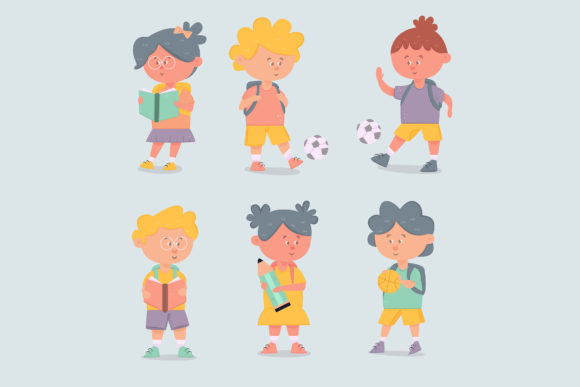
The term chibi comes from Japanese slang, meaning "small" or "short." In illustration, chibi refers to a specific style where characters are drawn with oversized heads, large eyes, and very small bodies. The proportions are intentionally exaggerated to create a cute, innocent, and endearing appearance. When you add school-themed elements—backpacks, pencils, books, graduation caps, or lunch boxes—you get back to school cute chibi doodles that celebrate academic life in the most adorable way possible.
Unlike realistic portraits or complex anime styles, chibi doodles are forgiving and easy to learn. The simplified anatomy means you do not need advanced drawing skills to produce something charming. This accessibility is one of the main reasons the style has exploded in popularity across social media platforms like Instagram, Pinterest, and TikTok, especially during the back-to-school season.
Why Back to School Cute Chibi Doodles Matter
You might wonder: why dedicate time to drawing tiny cartoon students when there are so many other tasks to handle? The answer lies in the psychological and practical benefits these doodles offer.
Emotional Connection and Stress Relief
Returning to school can be stressful for learners of all ages. Cute imagery triggers positive emotional responses. Drawing or viewing back to school cute chibi doodles can reduce anxiety, create a sense of comfort, and make the idea of starting a new semester feel less overwhelming. The act of doodling itself is a proven mindfulness tool that helps calm the mind.
Visual Organization and Memory
When you incorporate chibi doodles into your notes, planners, or study materials, you create visual anchors that improve memory retention. A cute chibi character holding a book can mark a reading assignment far more memorably than a plain bullet point. This technique, often called visual note-taking, blends creativity with productivity.
Community and Self-Expression
Sharing chibi doodles online or in school clubs fosters community. Students bond over shared artistic interests, exchange drawing tips, and celebrate each other's work. For many, creating a unique chibi character becomes a form of self-representation—an alter ego that navigates the school day with confidence and cuteness.
Practical Uses for Chibi Doodles in School Life
The beauty of back to school cute chibi doodles lies in their versatility. They are not just for art class. Here are several practical ways to integrate them into daily school routines.
Bullet Journaling and Planners
Bullet journaling has become a staple for students who want to stay organized. Adding chibi doodles to your weekly spreads makes planning more enjoyable. You can draw a chibi reading a book on days you have library time, or a chibi holding a test tube for science lab days. These small illustrations serve as quick visual cues and make you look forward to opening your planner.
Digital Note-Taking
With the rise of tablets and stylus pens, digital note-taking apps like GoodNotes, Notability, and OneNote have become powerful tools for students. Adding back to school cute chibi doodles to your digital notes can break up dense text, highlight key concepts, and make study sessions more engaging. Many creators sell sticker packs or drawing templates specifically for this purpose.
Classroom Decor and Bulletin Boards
Teachers also benefit from chibi doodles. A bulletin board decorated with chibi characters holding subject-specific props can create a welcoming classroom environment. Posters, name tags, and reward charts featuring cute chibi designs help build a positive learning atmosphere for younger students.
Social Media and Digital Portfolios
Students who run study accounts or art portfolios on social media can use chibi doodles to build a recognizable brand. A consistent chibi mascot makes your content stand out and feel cohesive. Hashtags like #BackToSchoolChibi and #CuteDoodles help your work reach a wider audience.
How to Create Your Own Back to School Cute Chibi Doodles
If you are ready to start drawing, you will be happy to know that the learning curve is gentle. Follow these foundational steps to create your first chibi character.
Step 1: Understand the Basic Proportions
In standard chibi style, the head is about one-third to one-half the total height of the character. The body is compact, with short limbs and a round overall shape. Start by drawing a large circle for the head and a small oval or rectangle for the body. Keep the limbs simple—stick-like arms and tiny legs work perfectly.
Step 2: Focus on the Eyes
The eyes are the most expressive feature of any chibi doodle. Draw them large and round, occupying a significant portion of the face. Add a big highlight (a white circle or oval) to make the eyes look shiny and lively. Simple curved lines for eyebrows can convey different emotions—happiness, excitement, or concentration.
Step 3: Add School Accessories
This is where the back to school theme comes alive. Give your chibi a backpack, a pencil, a book, a ruler, or a lunch box. You can also dress them in a school uniform or add a graduation cap. These details instantly communicate the school context and make the doodle relatable.
Step 4: Keep Lines Clean and Simple
Chibi doodles do not require shading or complex line art. Use a fine-tip pen or a digital brush with consistent pressure. Clean, rounded lines contribute to the cute aesthetic. If you make a mistake, do not worry—imperfection adds charm.
Tools and Materials for Chibi Doodling
You do not need expensive supplies to get started. However, having the right tools can make the process smoother.
Traditional Tools
- Fine-liner pens (0.3 mm or 0.5 mm) for crisp lines
- Markers or colored pencils for adding soft color
- Dot grid or blank notebooks for planner integration
- Erasable pencils for sketching rough outlines first
Digital Tools
- Tablet with stylus (iPad + Apple Pencil or Android equivalent)
- Drawing apps like Procreate, Clip Studio Paint, or Adobe Fresco
- Note-taking apps with drawing functions for direct use in study materials
- Pre-made brush sets that mimic ink or marker textures
Common Misunderstandings About Chibi Doodles
Despite their popularity, some misconceptions persist. Let me clear a few up.
Misunderstanding 1: Chibi is only for anime fans. While the style originated in Japanese manga and anime, chibi doodles have become a universal illustration language. You do not need to be an anime enthusiast to enjoy or create them. The charm of back to school cute chibi doodles transcends cultural boundaries.
Misunderstanding 2: You need advanced artistic skills. On the contrary, chibi style is one of the most beginner-friendly approaches to drawing. The simplified proportions mean you can focus on expression and personality rather than anatomical accuracy.
Misunderstanding 3: Chibi doodles are only for children. Students of all ages, including college and graduate levels, use chibi illustrations in their planners and notes. The style is playful but not immature. Many adults find it a relaxing creative outlet.
Inspiring Themes for Back to School Chibi Doodles
To help you brainstorm, here are popular themes you can explore in your own doodles.
- First day of school – A chibi holding a backpack and waving nervously.
- Subject mascots – A chibi scientist with goggles, a chibi historian with a scroll, or a chibi mathematician with a giant calculator.
- Lunchtime fun – A chibi with a bento box or a juice box, perhaps with food items that have tiny faces.
- Study buddies – Two chibi characters sitting together, sharing notes or reading.
- Graduation celebration – A chibi in a cap and gown holding a diploma.
- Seasonal variations – Fall-themed chibi with autumn leaves, or winter chibi with a scarf and hot cocoa.
How Chibi Doodles Fit into Modern Creativity and Education
In today's digital and visual culture, the ability to communicate ideas through simple drawings is increasingly valuable. Back to school cute chibi doodles sit at the intersection of art, productivity, and emotional well-being. They encourage a hands-on, analog approach to organization in an era dominated by screens, yet they also thrive in digital spaces through stickers, emoji-like graphics, and app integrations.
Teachers who incorporate doodling into lessons report higher engagement and improved focus among students. The act of drawing a chibi character to represent a historical figure or a scientific process can make abstract concepts more concrete and fun. Similarly, students who doodle during lectures often retain more information because the dual process of listening and drawing engages multiple learning modalities.
Building a Deeper Understanding of the Craft
As you continue exploring back to school cute chibi doodles, you will naturally develop your own style. Pay attention to how small changes in eye shape, limb position, or accessory choice affect the mood of your character. Experiment with color palettes—pastels are popular for a soft, cute look, but bold primary colors can make your doodles pop.
Consider creating a series of chibi characters representing different aspects of your school day. Over time, you will build a visual vocabulary that makes doodling faster and more intuitive. Share your progress online or with friends to stay motivated and inspired by others.
Final Thoughts
Back to school cute chibi doodles are more than just a passing trend. They are a meaningful tool for self-expression, organization, and connection in the educational journey. Whether you draw to relax, to organize, or to share joy with others, the chibi style offers a warm and welcoming entry point into the world of illustration.
So grab a pen, open a notebook, and let your first chibi character come to life. With a big head, tiny body, and a backpack full of possibilities, you are ready for the school year ahead—one adorable doodle at a time.